Veterinary Physiotherapy for Exotic Animals Workshop
£375.00
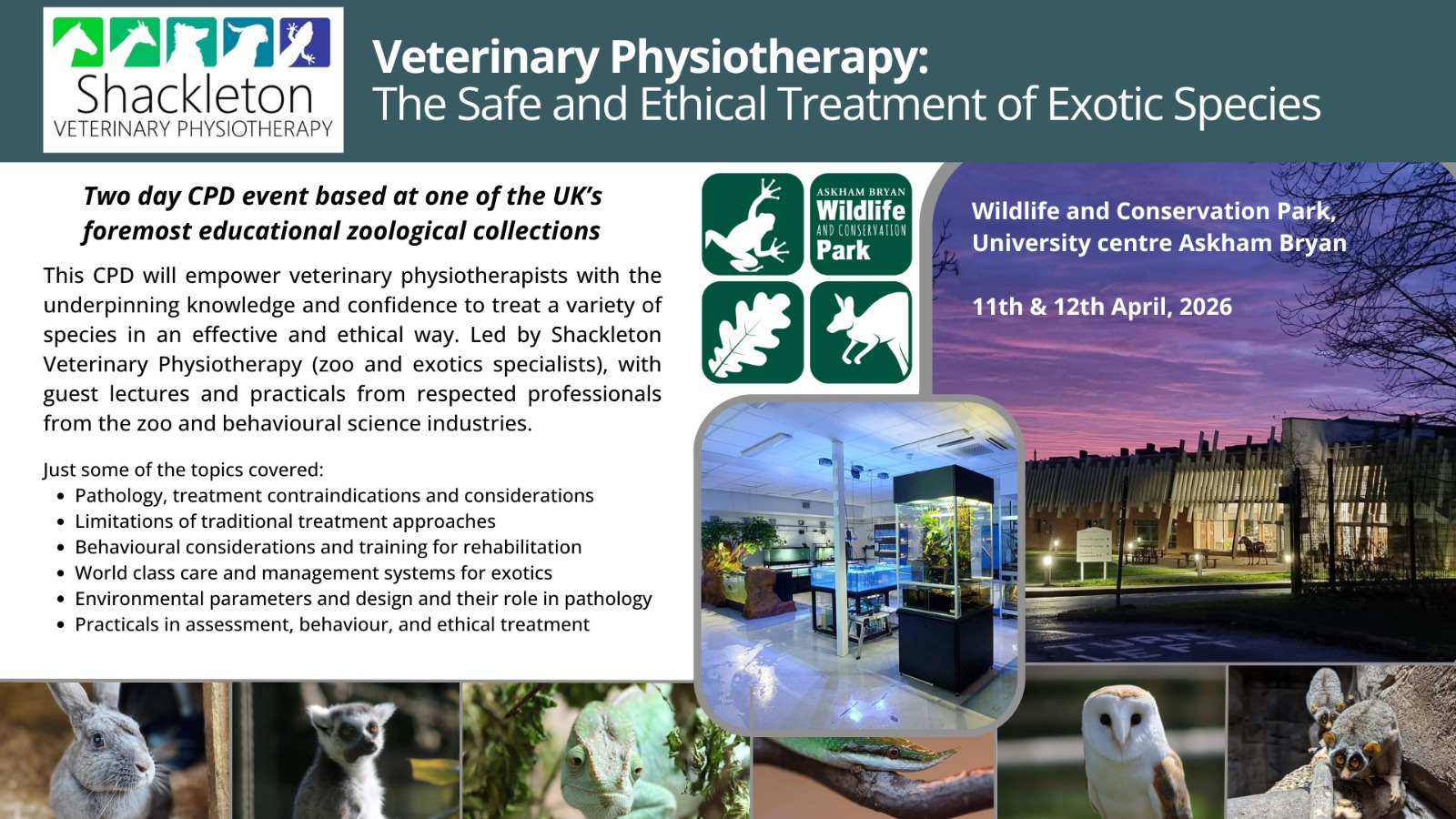
This course has been designed to exceed CPD requirements from insurance companies, and to give a comprehensive introduction into this field by a group of respected industry professionals.
The course takes place at the fantastic zoo and exotics collection at Askham Bryan Wildlife and Conservation Park, Askham Bryan, York YO23 3FR, UK.
“This was an incredible course, full of interesting and mind-blowing information.”
“This was an amazing course! I have learnt so much and it was a perfect mix of practical and theory.”
After amazing feedback and a large amount of interest, we will be running this course for the third time on the 12th – 13th of October 2026.
Important information before booking
Please ensure you meet the entry requirements before purchasing your ticket:
- Prerequisites: This course is strictly for qualified or trained Veterinary Physiotherapists (Level 6 or above), such as those holding a BSc, PGDip, or MSc.
- Course Focus: This advanced CPD is designed to enhance existing clinical knowledge in specialist areas of practice, rather than teach foundational physiotherapy skills.
- Insurance and Certification: A full CPD certificate will be provided upon completion to evidence attendance. This course has been specifically designed to meet and exceed the minimum postgraduate CPD requirements set by major insurance companies
Course overview
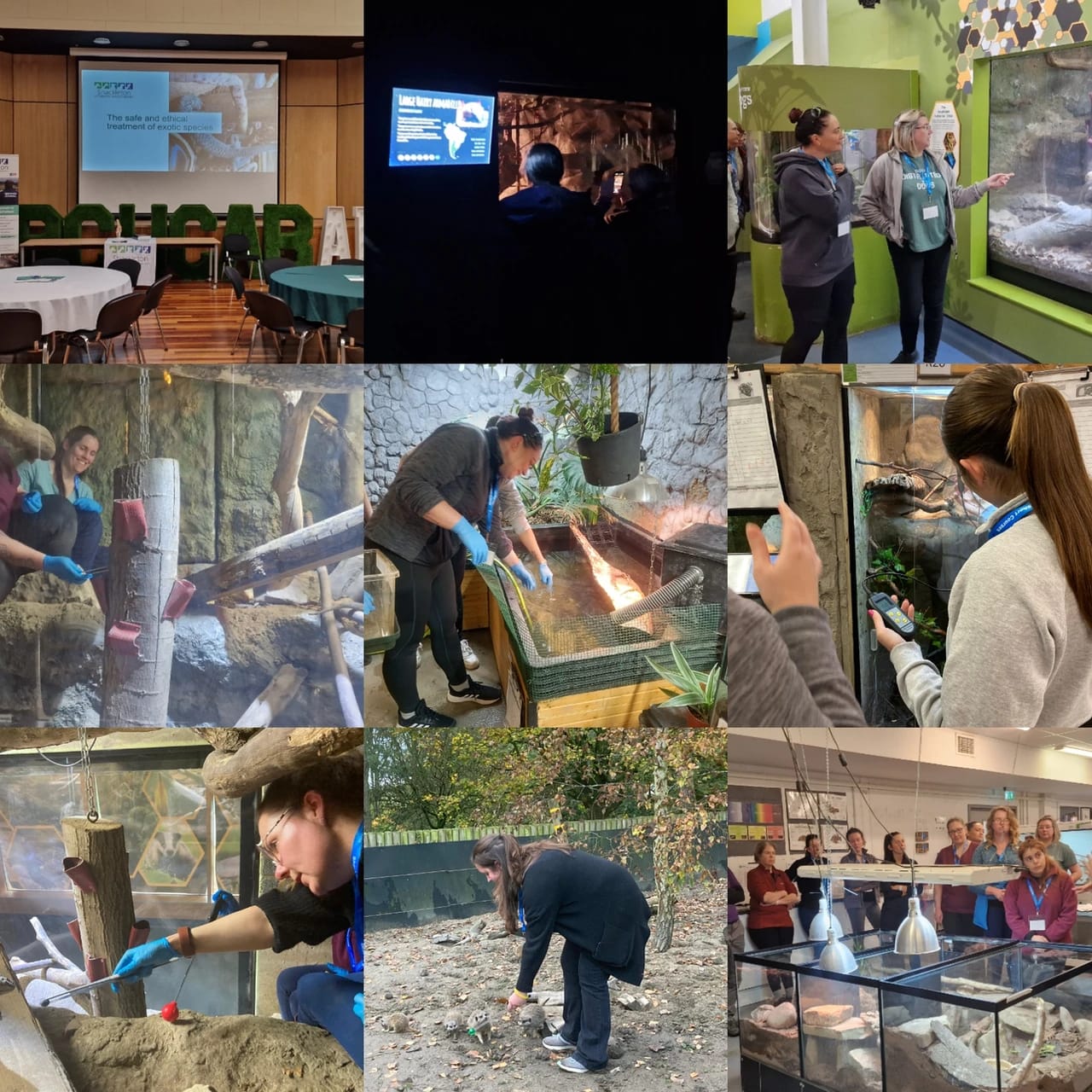
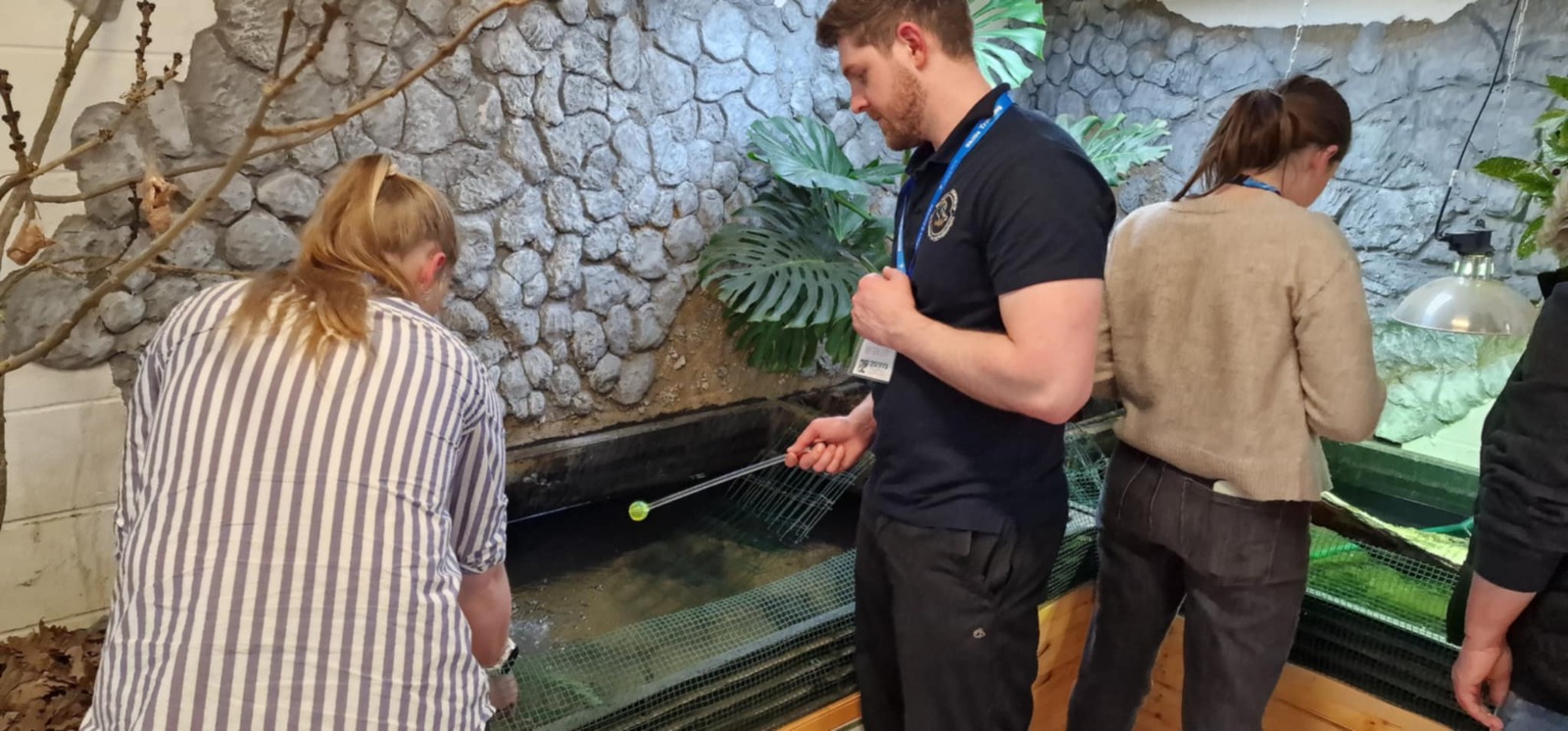
Expand your clinical practice into the rewarding field of exotic animal rehabilitation. Developed alongside a team of zoo industry specialists, this intensive course equips veterinary physiotherapists with the essential knowledge and practical skills required to treat exotic patients safely, ethically, and effectively. Animal training theory and positive reinforcement techniques (such as target training) further build attendees’ skills, to allow Veterinary physiotherapists to build exercise prescription programmes for non-domesticated or prey animals. Environmental management is covered in detail to ensure that key environmental parameters are correct to support species’ musculoskeletal recovery.
Species covered
The course provides a comprehensive foundation for working with a diverse range of species, focusing specifically on:
- Rabbits and Ferrets: Including unique anatomical considerations and common pathologies.
- Reptiles: Understanding musculoskeletal pathologies, handling, and their complex environmental needs.
- Birds: Covering avian anatomy, stress management, and safe restraint techniques.
Venue and Facilities
In partnership with Askham Bryan Wildlife and Conservation Park, this course is hosted at the brand-new, top-class facilities at the University Centre Askham Bryan near York.
The facility houses over 100 different species across specialised habitats, including:
- Tropical House and Exotic Mammal Room
- Nocturnal Room
- Farm Park and Zoo Enclosures
This premier educational environment offers an unparalleled opportunity to experience working safely with a large variety of exotic species.
Why Advanced Exotics CPD Matters
As veterinary physiotherapy continues to evolve, therapists are increasingly encountering non-traditional species in everyday practice. Developing a deep understanding of their unique history, complex anatomy, specialised husbandry, and behavioural cues is vital for ethical treatment.
Currently, formal pathways for exotic physiotherapy training are non-existent. This course bridges that gap by leveraging our extensive backgrounds as global zoo consultants. We have worked with industry-leading zoo collections worldwide (treating species ranging from great apes to megafauna and reptiles) and have authored the first textbook chapter on the ethical treatment of exotic species. Because of this unique experience, we designed this workshop specifically to elevate our industry.
We will highlight critical contraindications of standard treatment approaches across differing taxonomic groups, giving you the skills, safety protocols, and confidence to navigate complex environments and species with ease.
What’s Next? An advanced, two-day practical workshop with a zoo focus will be available for attendees who complete this foundation course and wish to develop their skills and knowledge further. Dates and information to be announced soon.