What is Veterinary Physiotherapy?
Veterinary Physiotherapy is an evidence-based healthcare profession that requires veterinary referral in the UK. This means we must receive consent from your registered vet before treating your animal, ensuring our physiotherapy seamlessly supports your animal’s existing medical care and is always in their best interest.
Importantly, physiotherapy treatment is typically covered by most major UK pet insurance policies.
- Veterinary Physiotherapy
Chance
Chance was barely a year old when he was found abandoned in a park; he had been very badly hurt, and was suffering from a variety of issues, such as a dislocated elbow, fractured skull, and damaged stifle ligaments.
He was barely able to walk in the beginning, but with his amazing personality, supportive owners and full veterinary team and intensive physiotherapy, he really turned a corner.
Romeo
1. General pets
Aims include assessment of health and application of preventative treatment/exercise to delay age-related pain.
2. Elderly animals
Maintain function and hopefully improve locomotion, relief of arthritis and improve circulation.
3. Paralysed animals
Depending on the case a variety of mental and physical stimulation can be applied to maintain body function and muscle tone, and hopefully return some degree of function.
4. Injured or post-operative animals
Whether an animal has received an injury or is recovering from an operation, a VP can in conjunction with vets provide pain relief and aid the healing process with a variety of manual and electronic therapies.
- Our services
The services we offer
How does physio
help my pet?
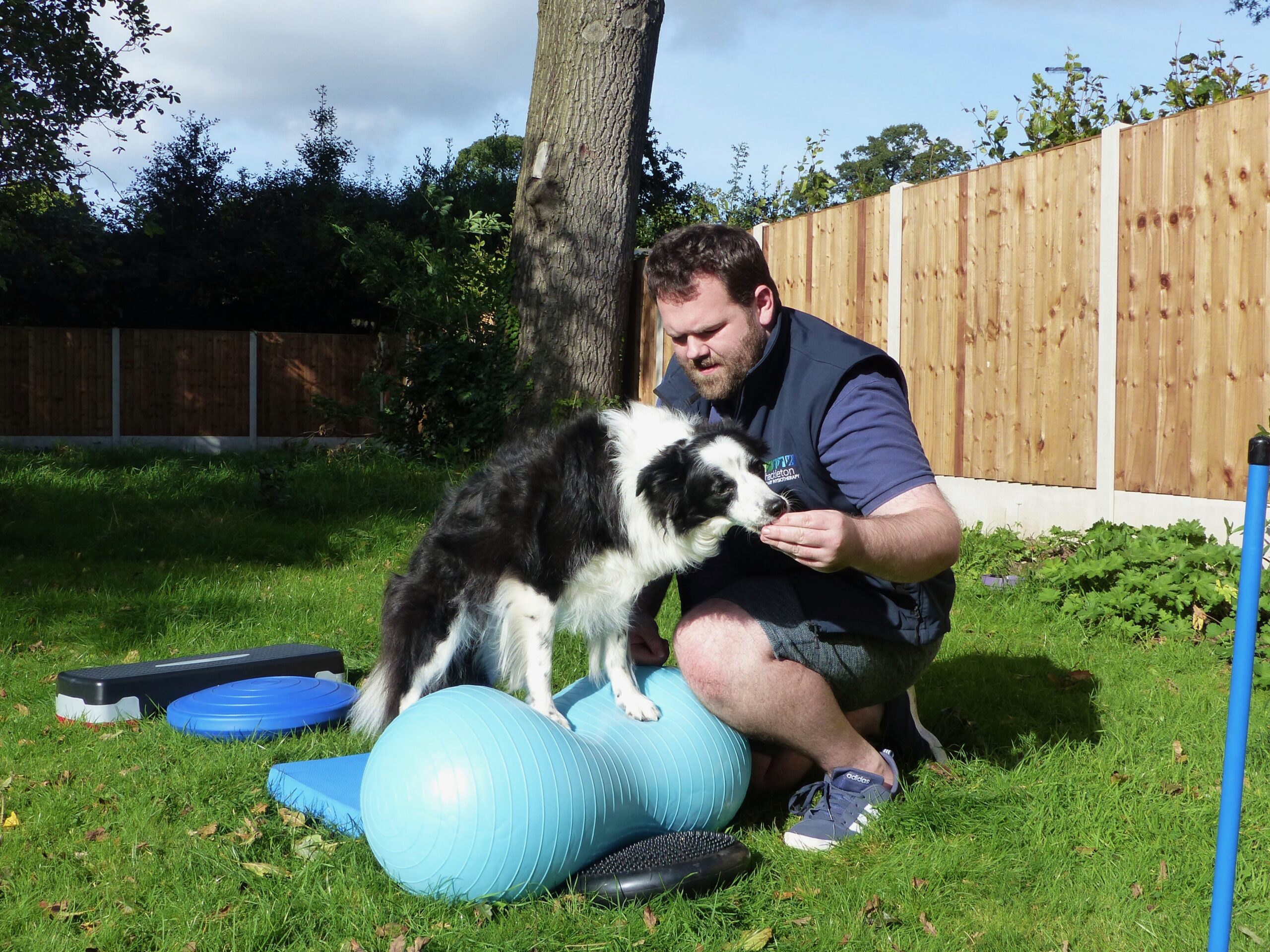
Physiotherapy works by using targeted techniques to:
- Reduce Pain: Calms the nervous system and decreases inflammation
- Improve Mobility: Restores joint range of motion and flexibility
- Build Strength: Develops appropriate muscle mass and stability
- Prevent Re-injury: Educates owners on effective management
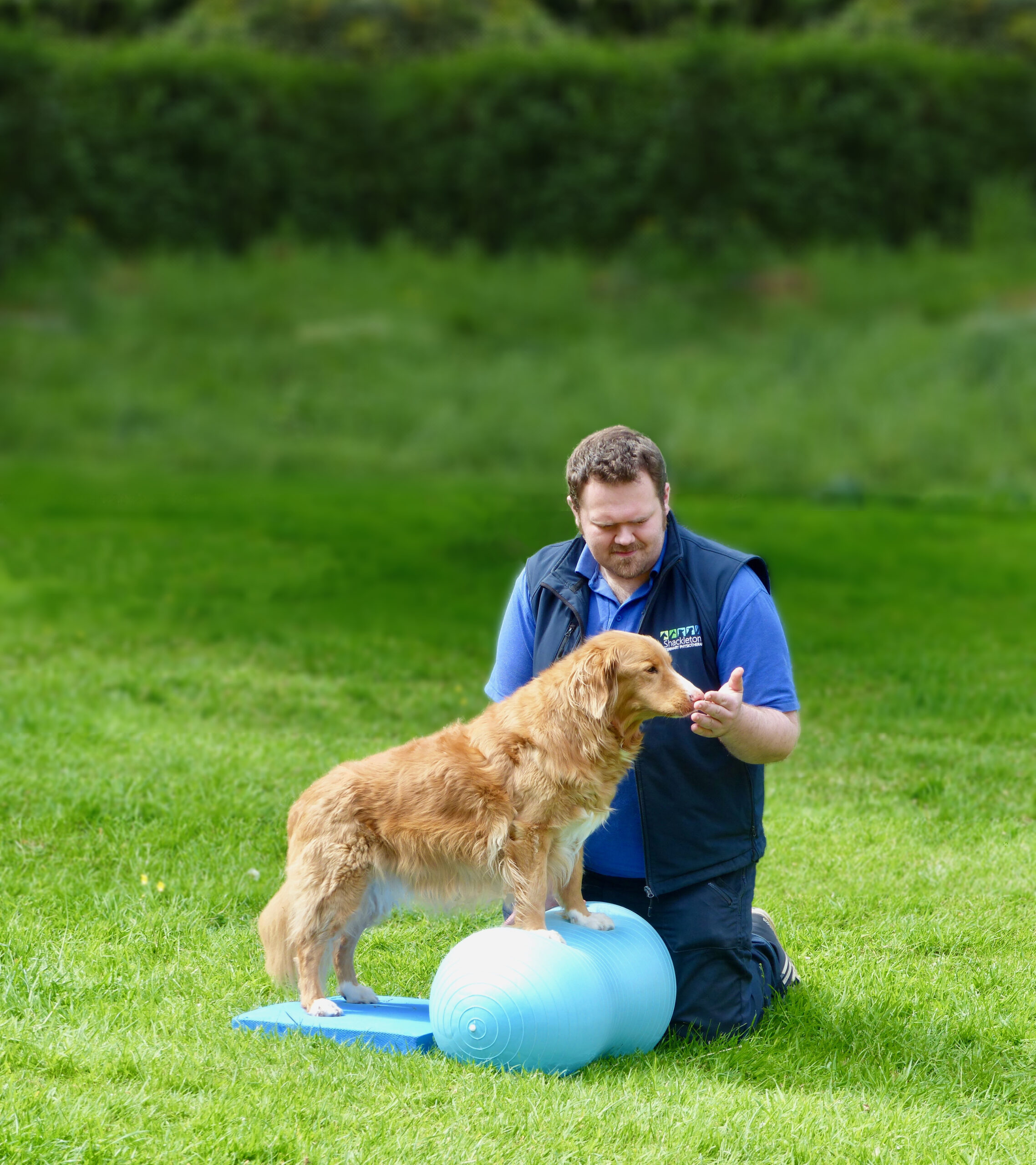
The key component of modern Vet Physio is creating tailored exercise programmes which are carefully modified as your pet progresses; providing lifestyle and home management advice; and using techniques like manual therapy (hands-on massage/stretches) and electrotherapies (such as therapeutic laser) when needed.
Because recovery is a journey, not a one-off event, we deliver these techniques through comprehensive rehabilitation programmes designed to support your pet from limitations back to activity.
Pet Lovers
Certified
Professional memberships



Which conditions can physio treat?
Physiotherapy is beneficial for a wide range of conditions in pets (such as dogs, cats, and rabbits), including:
- Orthopaedic: Arthritis, hip and elbow dysplasia, cruciate ligament injuries, and post-surgery recovery.
- Neurological: Spinal injuries, nerve damage due to disease or injury, and balance problems.
- Geriatric: Age-related stiffness, weakness, and loss of muscle mass.
Specialist exotic pet care
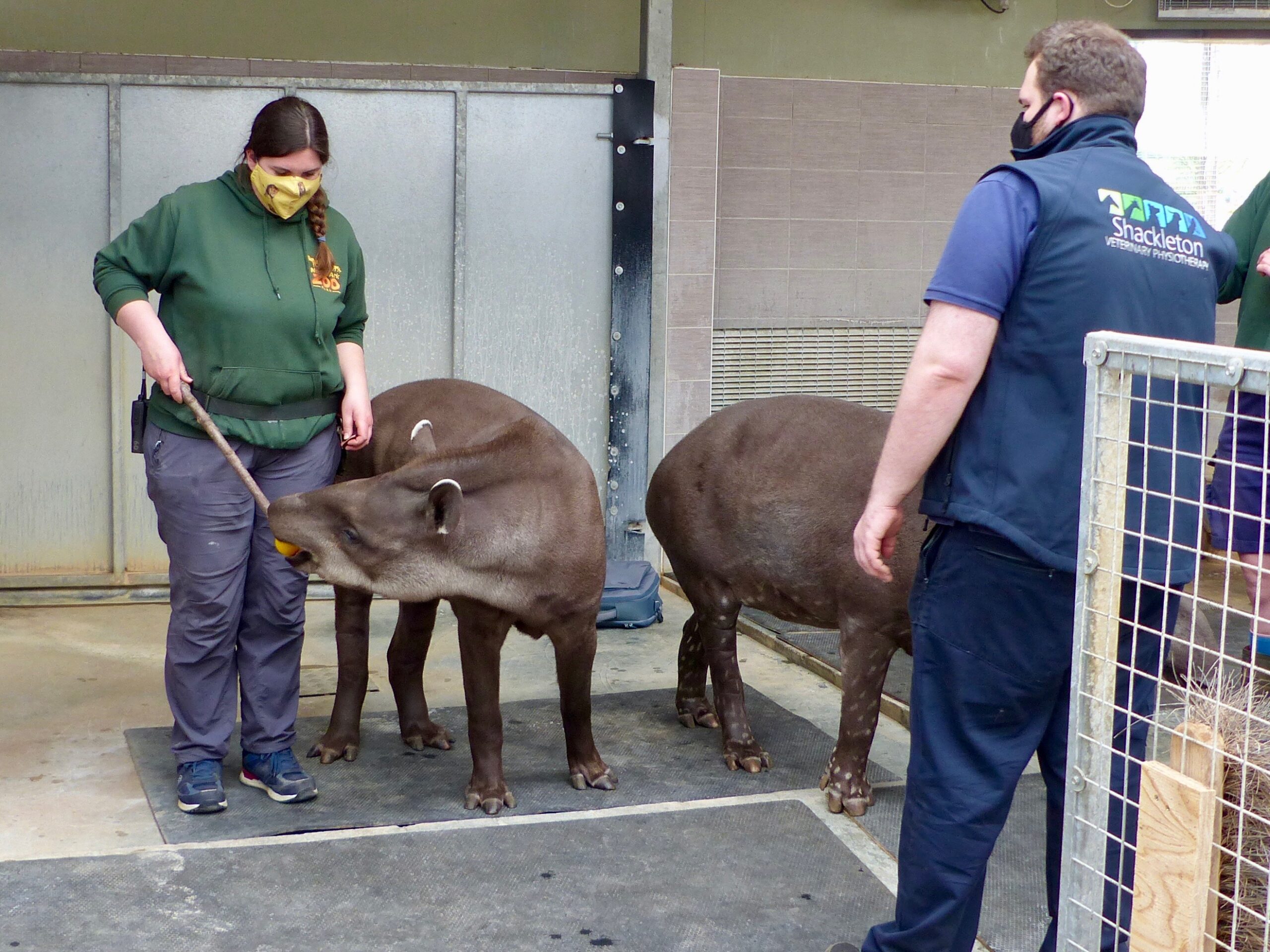
Physiotherapy principles are also crucial for exotic animals and zoo species. Due to their unique anatomy and environments, physiotherapy helps manage conditions like lameness, joint stiffness, and mobility issues in animals who may not respond well to traditional pain relief alone.
Who we have worked with












Our standard of care: what to expect
Every session, within any of our rehabilitation packages, follows the same rigorous, evidence-based process to ensure your animal receives the highest quality of care.
The gold standard for assessment
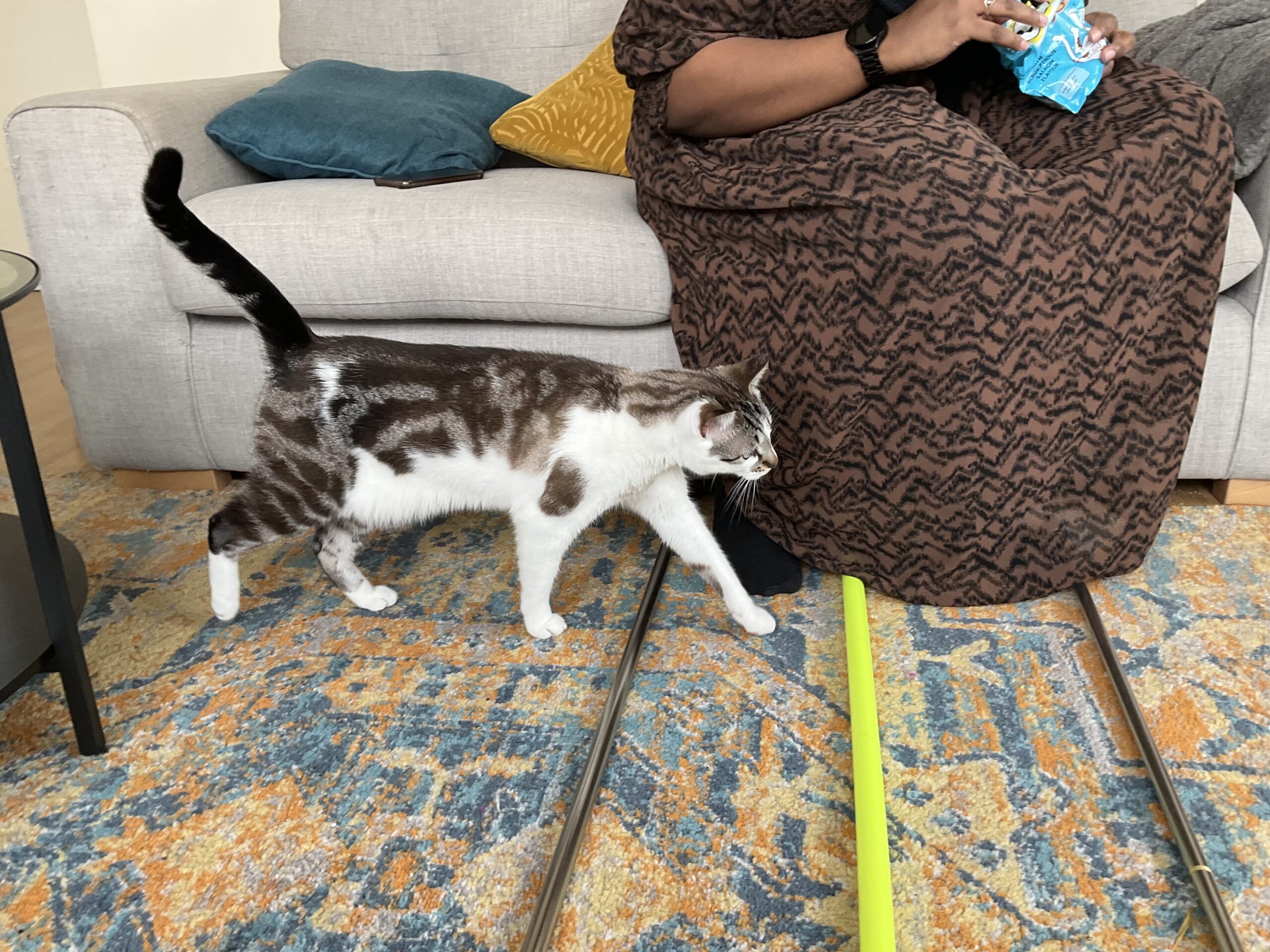
We conduct a thorough, whole-animal assessment to understand the full picture, ensuring accurate treatment:
- Movement & physical check: We inspect your pet’s gait, joint movement (range of motion), and palpate hard- and soft-tissues for signs of pain or compensation.
- Behaviour & lifestyle review: We check behaviour for stress or pain signs and review environmental factors (flooring, bedding, daily routines) that may impact recovery.
Treatment focused on long-term results
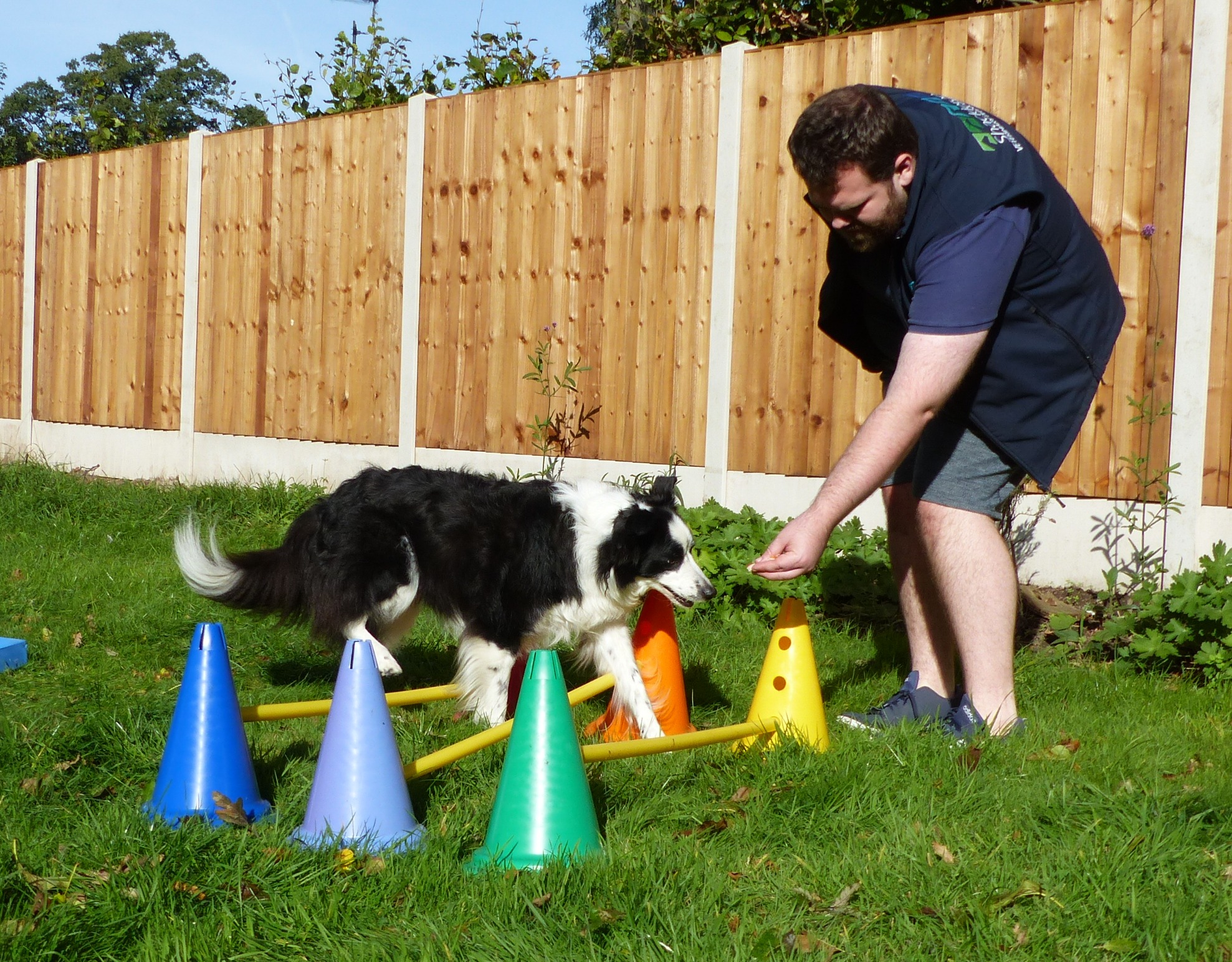
Our treatment approach is entirely client-focused, meaning it is only implemented when your animal is comfortable and willing.
- Exercise prescription: We create tailor-made exercise plans that are checked and amended every session to safely build strength, maintain fitness, and ensure sustained improvement.
- Supporting modalities: We use manual therapy (massage, stretches) and appropriate electrotherapies (LASER, PMFT, TENS, NMES) to support pain management and facilitate muscle engagement for the rehabilitation exercises.
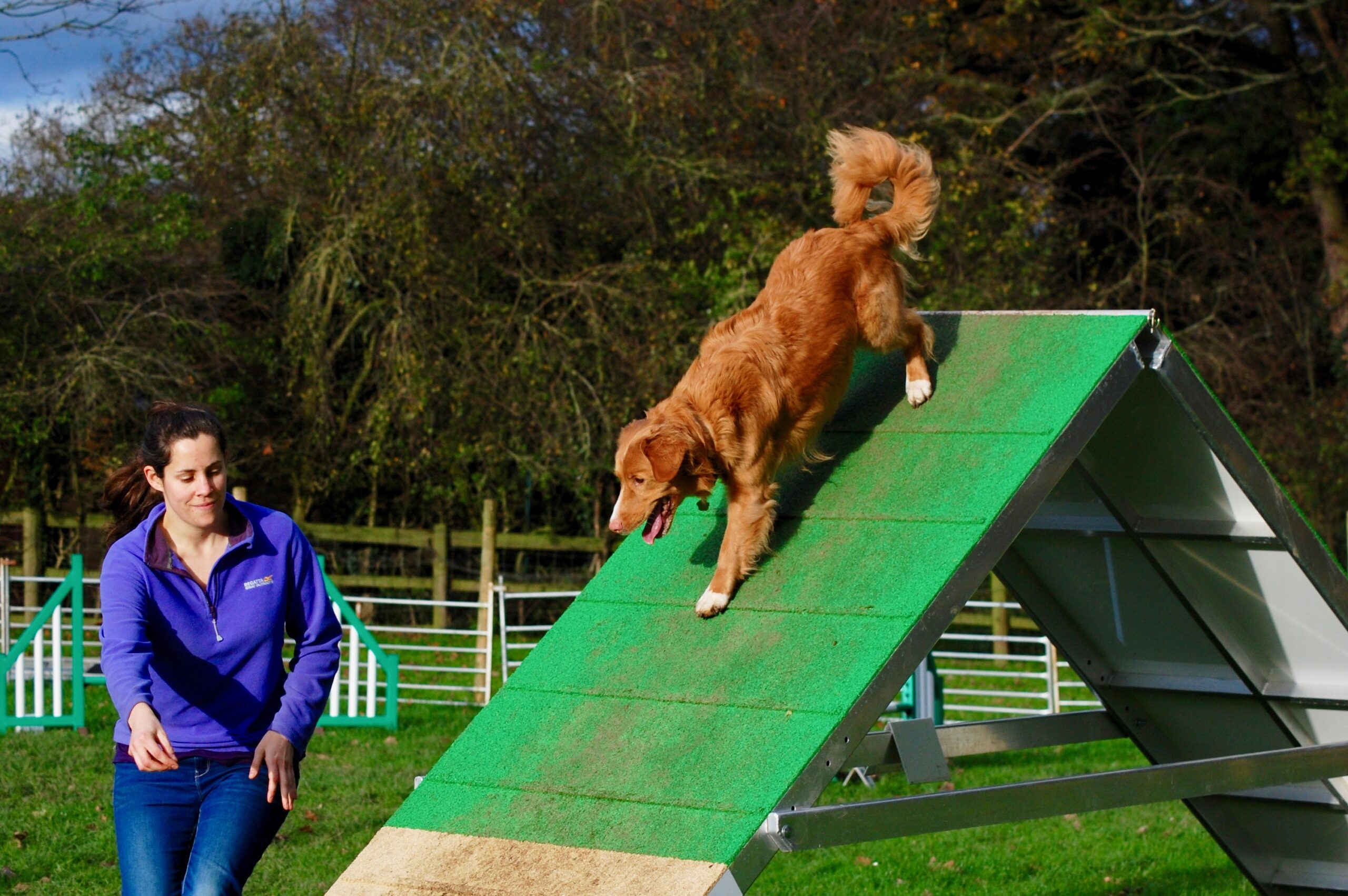
Owner education
We empower you to drive your animal’s recovery at home:
- Guidance & safety: You receive practical advice on safe animal management (e.g., handling post-surgery) and necessary home/lifestyle adaptations.
- Progress tracking: We provide a full clinical report after every session, detailing findings and next steps, ensuring transparency and continuity of care.
Why we don’t offer 'one-off' sessions
Clinical research shows that physiotherapy is most effective when it is consistent, structured, and supported by expert guidance at home. A single session can reduce pain, but it cannot rebuild a nervous system or restore lost muscle mass.
To ensure your pet achieves the best possible outcomes with gold-standard care, we have developed the Shackleton Veterinary Physiotherapy Eight-Week Premium Rehabilitation Package. This is the most effective way to transition your pet from coping with pain to thriving in their environment.

Book A Free Consultation Call
Happy Clients


 Trustindex verifies that the original source of the review is Google.
 Trustindex verifies that the original source of the review is Google.
 Trustindex verifies that the original source of the review is Google.
 Trustindex verifies that the original source of the review is Google.
 Trustindex verifies that the original source of the review is Google.
 Trustindex verifies that the original source of the review is Google.
 Trustindex verifies that the original source of the review is Google.
 Trustindex verifies that the original source of the review is Google.
 Trustindex verifies that the original source of the review is Google.
 Trustindex verifies that the original source of the review is Google.